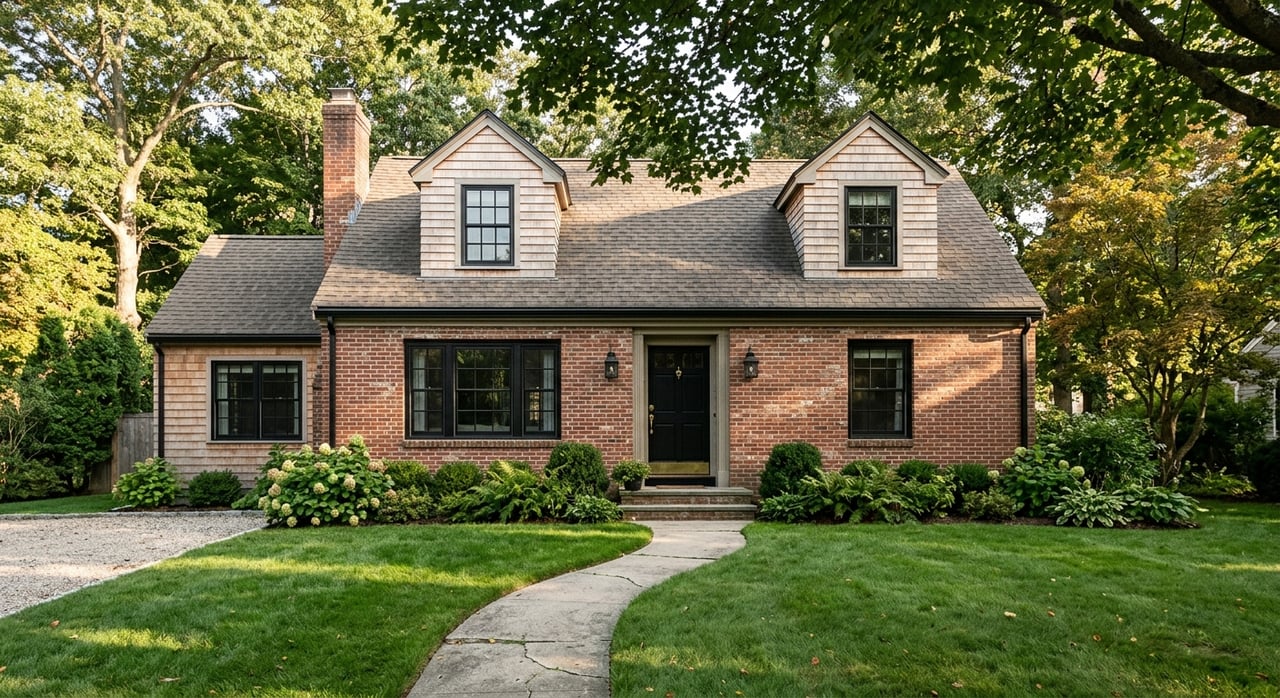
Understanding The Lake Ripley Real Estate Market
July 2, 2026
July 2, 2026
If you are watching the Lake Ripley real estate market, you have probably noticed that it does not behave exactly like a larger suburban market. With only a small number of listings and sales, prices can move quickly, and each waterfront or lake-access property can tell a very different story. This guide will help you understand what is shaping values, how to read the latest numbers, and what buyers and sellers should keep in mind in Lake Ripley. Let’s dive in.
Lake Ripley is a small census-designated place in Jefferson County with 1,911 residents, based on the 2020 Census. The lake itself is about 420 to 423 acres, with a maximum depth of 44 feet, public boat landings, and a public beach. The Wisconsin DNR describes the water as moderately clear, which adds to the area’s appeal for buyers who want a lake-centered lifestyle.
That setting matters in real estate. In a market like Lake Ripley, value is often tied not just to the home itself, but also to shoreline characteristics, lake access, views, and how usable the property feels throughout the warmer months.
There are two useful ways to look at prices in Lake Ripley, and they measure different things. Zillow’s latest snapshot shows a typical home value of $439,879, up 3.1% year over year as of April 30, 2026. Redfin’s latest three-month median sale price is $512,693, up 9.1% year over year.
Those numbers should not be treated as direct substitutes. Zillow’s figure is based on its home value index, while Redfin’s median sale price comes from recent MLS and public-record sales. Together, though, they suggest a market that has remained resilient and has seen upward pressure on pricing.
Lake Ripley currently has a small number of homes for sale. Zillow’s market snapshot shows 8 active listings, which means buyers do not have a deep pool of options at any given time.
That limited inventory affects both pacing and pricing. When only a few homes are available, well-positioned properties can draw attention quickly, especially if they offer direct lake frontage, appealing views, or move-in-ready condition.
The visible listing range in Lake Ripley includes a $94,900 lot and homes priced at $385,900, $460,000, $549,000, $670,000, $797,000, and $962,000. That spread points to a mixed market rather than a single price band.
In practical terms, you are looking at a combination of land, inland homes, lake-access properties, and higher-end lake homes. That is important because not every Lake Ripley listing competes with every other listing. Buyers and sellers need to compare similar property types, not just scan the overall price range.
Redfin classifies Lake Ripley as a somewhat competitive market. Homes average 43 days on market, with 10 sales in May 2026, and the average home sells for about 2% below list price and goes pending in around 49 days.
That tells you this is not a frantic market where every home flies off the shelf overnight. At the same time, thin inventory means attractive homes can still move quickly, especially if they are well maintained and priced with care.
Lake Ripley is a small market, and small markets can produce big swings in median price. With only a handful of active listings and a relatively low number of monthly sales, one or two larger waterfront closings can push the median up noticeably.
That means you should be careful about reading a single month in isolation. A price change may reflect a genuine shift in demand, but it may also reflect the mix of homes that happened to sell during that period.
Recent Redfin data shows Lake Ripley’s median sale price is higher than several nearby town-level markets:
It also sits above both broader county medians:
This pattern supports the idea that Lake Ripley operates as a smaller, lake-oriented niche market. When direct access, shoreline quality, and recreational setting are part of the package, buyers may be willing to pay a premium.
In Lake Ripley, price is about more than square footage. Buyers often weigh a mix of property-specific and lake-specific factors that can make one home stand apart from another.
A direct waterfront home is not the same as a home with shared access or a nearby launch. Lake frontage, views, ease of getting on the water, and how the shoreline is laid out can all affect value.
That is why comparing lake-access homes and inland homes separately is so important. A broad market average may not capture those differences very well.
Even in a niche market, turn-key homes often have an edge. Buyers who want to enjoy the lake right away may be more willing to act quickly on homes that feel well prepared and easy to move into.
For sellers, presentation still matters. Clean condition, thoughtful prep, and strong staging can help buyers focus on the property’s strengths and the lifestyle it offers.
Lake Ripley’s long-term health is part of the real estate story. The Lake Ripley Management District identifies shoreland development, runoff, and shoreline vegetation loss as ongoing threats that can increase lake-management costs and diminish property values over time.
For buyers, that means due diligence matters. For sellers, it is another reason to understand how your property fits local shoreline rules and how those factors may influence value.
Late spring and summer are often the most intuitive times for buyers to evaluate a lake property. Lake Ripley’s public boat launch operates from May 1 to September 30, and the lake averages about 102 days of ice cover.
That seasonal rhythm shapes how buyers experience the area. In warmer months, it is easier to assess boating access, shoreline usability, views, and the feel of lake living, which can make that part of the year especially important for marketing and showings.
If you are buying in Lake Ripley, speed and clarity matter. With limited inventory, waiting too long on a well-matched property can mean missing a rare opportunity.
A few practical steps can help:
The last point is especially important. Local rules restrict many structures within 75 feet of the ordinary high-water mark without permits, and Wisconsin shoreland standards also apply within 1,000 feet of a navigable lake. Keyhole or funnel development is prohibited under Lake Ripley rules.
If you are selling in Lake Ripley, pricing strategy needs to be local and specific. It is tempting to lean on broader county numbers, but in a small lake market, those figures may not reflect your home’s true position.
A smarter approach is to study recent Lake Ripley sales and focus on the most comparable properties. A direct waterfront home, a lake-access home, and an inland home may all sit in the same ZIP area, but they do not necessarily share the same buyer pool or pricing logic.
Preparation matters too. In a market where buyers may be comparing a small number of options, condition, staging, and timing can have an outsized impact on how your home is received.
Lake Ripley is a small but distinctive market shaped by limited inventory, lake-driven demand, and a broad range of property types. Recent data points to rising values, a somewhat competitive pace, and pricing that often sits above nearby town and county medians.
If you are buying or selling here, the key is not to rely on broad averages alone. You need a property-specific view that accounts for access, shoreline factors, condition, timing, and the realities of a low-volume market.
When you want clear advice on how to read a niche market and position your next move with confidence, Erika Haar can help you make sense of the numbers and the local details.
Stay up to date on the latest real estate trends.

Working with Erika means elevated marketing, thoughtful strategy, and a tailored client experience. From high-impact listing presentations to precision negotiations, every detail is handled with care and professionalism. Expect white-glove service and exceptional results in Madison’s competitive market.

ERIKA HAAR
26 Schroeder Crt Ste 230 Madison, WI 53711