Finding The Right Condo Or Bungalow In West Madison
June 11, 2026
June 11, 2026
Wondering whether a condo or a bungalow makes more sense in Westmorland? In this part of west Madison, that choice can feel less obvious than it looks at first glance. You may find an older single-family home with classic character just blocks from a condo option with a very different upkeep picture, and the better fit often comes down to monthly cost, maintenance responsibility, and your long-term plans. Let’s dive in.
Westmorland has a distinct housing story. City planning materials describe it as a largely residential area that developed as farm parcels were sold starting in the 1920s, with most homes built from the 1920s through the 1950s and some later additions in the 1960s.
That age and variety give the neighborhood a strong visual identity. The local housing mix includes Bungalow, Cape Cod, Colonial, Tudor, Prairie, Dutch Colonial, English Cottage, International, and Ranch styles, and the city notes that many homes are unique designs rather than tract-home variations.
If you are drawn to original details, mature streetscapes, and homes with personality, Westmorland can be very appealing. The neighborhood association dates back to 1941, which also helps explain why the area has such an established identity and a preservation-minded feel.
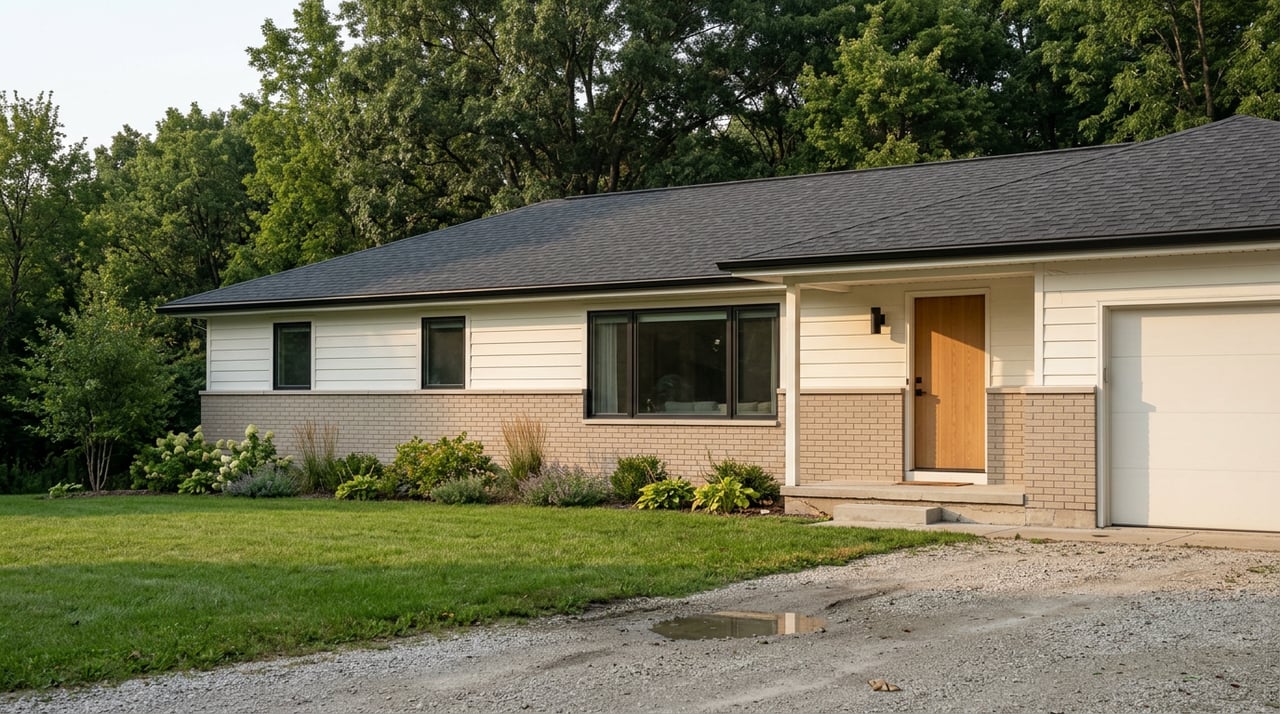
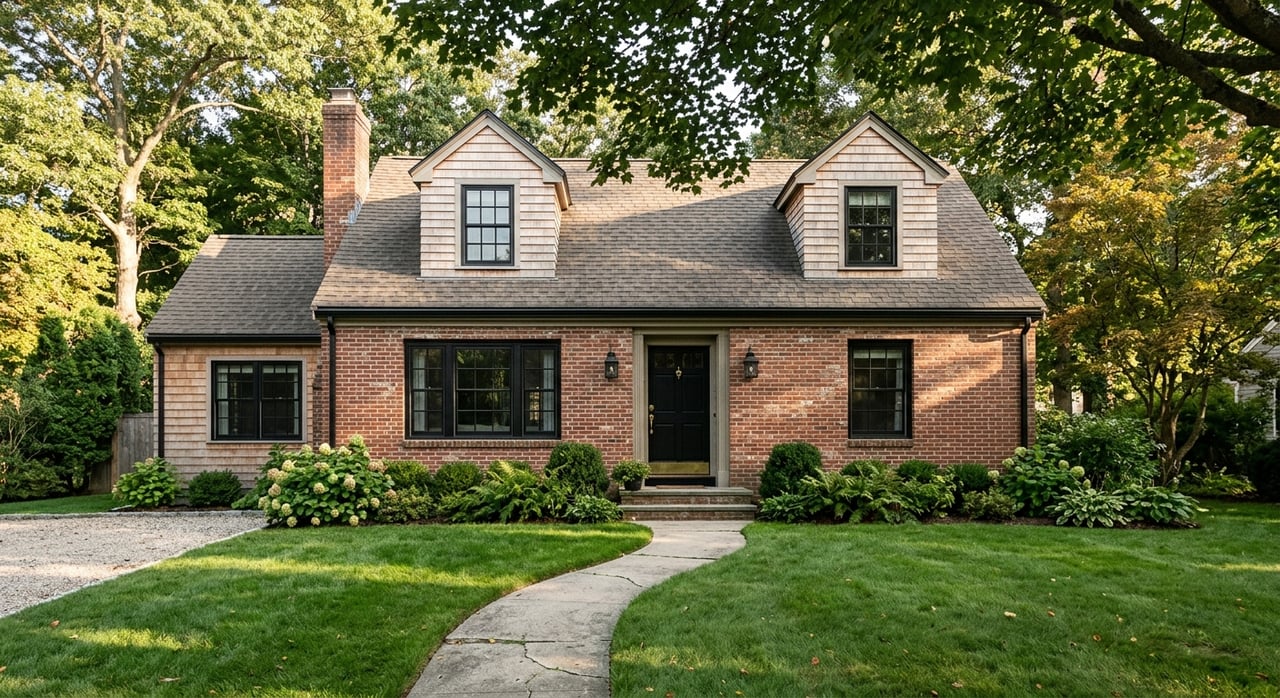
A bungalow in Westmorland can offer the kind of character that is hard to replicate in newer housing. Many of these homes sit within a neighborhood where the average construction year was 1954, and 92 percent of homes in the planning area were built before 1970.
That can mean appealing architecture, original woodwork, and layouts that feel rooted in Madison history. It can also mean you need to look closely at condition, because older housing stock usually requires more investment over time.
The city specifically points buyers toward big-ticket items like roofs, siding, and windows when evaluating older homes here. Those systems can have a real impact on both your upfront repair budget and your long-term carrying costs.
In a recent Westmorland snapshot, one active example was a 3-bedroom 1941 bungalow on Westmorland Boulevard listed at $515,000. That helps show why buyers often compare houses and condos closely here, since the price gap may not be as wide as expected.
If you want west Madison access with less day-to-day exterior maintenance, a condo may deserve a serious look. In the same Westmorland market snapshot, an active 2-bedroom, 1.5-bath condo on South Midvale Boulevard was listed at $559,900.
That example is important because it shows list price alone does not tell the whole story. In some cases, a condo near Westmorland may cost about the same as a smaller older house, or even more.
At a broader Madison level, condo pricing varies widely. Redfin showed 109 condos for sale citywide with a median listing price of $290,000, while west-side examples ranged from about $175,000 to $309,900, and higher-end west Madison condos reached roughly $400,000 to $700,000.
So if you are searching in or around Westmorland, the real comparison is not simply “condos are cheaper.” Sometimes they are. Sometimes they are not. The better question is what you are getting for your monthly payment and what responsibilities come with it.
This is where many buyers make the clearest decision. Your monthly housing cost is not just the mortgage payment.
For a condo, your full monthly picture can include principal, interest, property taxes, homeowners insurance, HOA dues, maintenance, and utilities. The Consumer Financial Protection Bureau notes that condo and HOA dues are usually paid separately from the mortgage, and those dues can range from a few hundred dollars a month to more than $1,000 a month.
For a bungalow, you may not have HOA dues, but you are directly responsible for repairs and ongoing exterior upkeep. Over time, that can mean a new roof, window replacement, siding work, or other maintenance that would otherwise be shared through an association in a condo setting.
In Westmorland, that tradeoff matters because the housing stock is older. A bungalow may offer more privacy, yard space, and architectural charm, but it can also place more maintenance risk on you.
Condo fees are often the part buyers want to understand most clearly. HOA boards generally set community standards, collect fees, and manage common areas.
Depending on the association, those fees may help pay for exterior repairs, common-area upkeep, water, sewer, trash, insurance, amenities, and reserve funding. That can make condo ownership feel more predictable, especially if you want fewer exterior maintenance tasks on your plate.
Still, not all condo associations are structured the same way. Before you decide, it is worth finding out exactly what is covered, what is not, and how financially prepared the association is for future repairs.
Wisconsin gives condo buyers important disclosure rights, and those details can help you compare one property with another. State law requires condo sellers to provide disclosure materials at least 15 days before closing.
Those materials include the declaration, bylaws, rules, management contracts, projected annual operating budget with estimated monthly assessments, floor plan, and a plain-language executive summary. That executive summary must explain who maintains common elements, whether repairs are paid through assessments, reserves, or both, whether reserves are maintained and the reserve balance, and rules related to rentals, alterations, parking, pets, transfer fees, and disclosure fees.
Wisconsin buyers also have the right to cancel within 5 business days after receiving the required materials, or after notice of material changes, if required documents are missing or changed. If you are comparing condos near Westmorland, this review period is a key part of your due diligence.
Here are a few smart questions to ask:
For conversion condominiums, Wisconsin law also requires added disclosure about the condition and expected useful life of major structural, mechanical, and electrical systems, along with any outstanding building-code or municipal violations.
If you lean toward a bungalow, your due diligence checklist should reflect the age of the housing stock. In Westmorland, many homes were built well before 1978, which matters for lead-based paint awareness.
The EPA says many homes and apartments built before 1978 have lead-based paint, and homes from that period should be tested if lead is suspected. If renovation or repair work may disturb lead paint, that work should be handled by lead-safe certified professionals.
Radon testing is another practical step. Wisconsin DHS recommends radon testing during real estate transactions, with the test placed in the basement or lowest livable level, and notes EPA mitigation guidance at 4 pCi/L or higher.
Beyond those items, focus on the systems most likely to affect your budget in the first few years. Roof age, window condition, siding, insulation, drainage, and mechanical updates can all shape whether a bungalow feels manageable or becomes more expensive than expected.
Your decision may also come down to timing. Madison’s ownership market has been very tight, and the City of Madison reported owner-occupied vacancy at 0.6 percent since 2021, with 2025 months supply at 1.9, below the healthy 3-to-6 month range.
That helps explain why choices in a neighborhood like Westmorland can be limited. In the market snapshot provided, there were only 2 active Westmorland listings at capture.
Prices also reflect that demand. Redfin reported Westmorland’s median sale price at $580,089 in April 2026, compared with a Madison citywide median sale price of $451,000 in March 2026.
For you, that means it helps to be clear on your priorities before the right property appears. If you know your comfort level with repairs, fees, and monthly carrying cost, you can move faster and with more confidence.
If you are choosing between the two, try looking at the decision through three filters instead of one.
Think about how you want to live day to day. If you want a yard, more separation from neighbors, and the freedom that often comes with a standalone home, a bungalow may feel like the better fit.
If you prefer less exterior upkeep and a more lock-and-leave lifestyle, a condo may align better with your routine. This can be especially helpful if you travel often, are downsizing, or simply do not want to manage as many home maintenance tasks.
Run the full monthly numbers, not just the list price. A bungalow may have a lower all-in monthly cost than a condo with high dues, or a condo may offer better predictability if the association is well run and well funded.
The key is to compare apples to apples. Include mortgage, taxes, insurance, dues if any, utilities, and a realistic maintenance or reserve cushion.
A bungalow gives you more direct control, but also more direct responsibility. A condo shares some costs and responsibilities through the association, but you need confidence in that association’s budget, rules, reserves, and insurance structure.
In Westmorland, where older homes are part of the appeal, this is often the most important comparison of all. The right choice is the one that matches your tolerance for upkeep, your financial comfort, and the kind of ownership experience you want.
If you are weighing condos against bungalows in Westmorland, a calm side-by-side review can make the choice much clearer. With the right guidance, you can look beyond charm or list price and focus on the property that truly fits your budget, your plans, and your comfort level. When you are ready to compare options in west Madison, Erika Haar can help you sort through the numbers, condition, and neighborhood fit with clear, practical guidance.
Stay up to date on the latest real estate trends.
Working with Erika means elevated marketing, thoughtful strategy, and a tailored client experience. From high-impact listing presentations to precision negotiations, every detail is handled with care and professionalism. Expect white-glove service and exceptional results in Madison’s competitive market.
ERIKA HAAR
26 Schroeder Crt Ste 230 Madison, WI 53711