West Madison Investment Property Guide for Smart Buyers
June 25, 2026
June 25, 2026
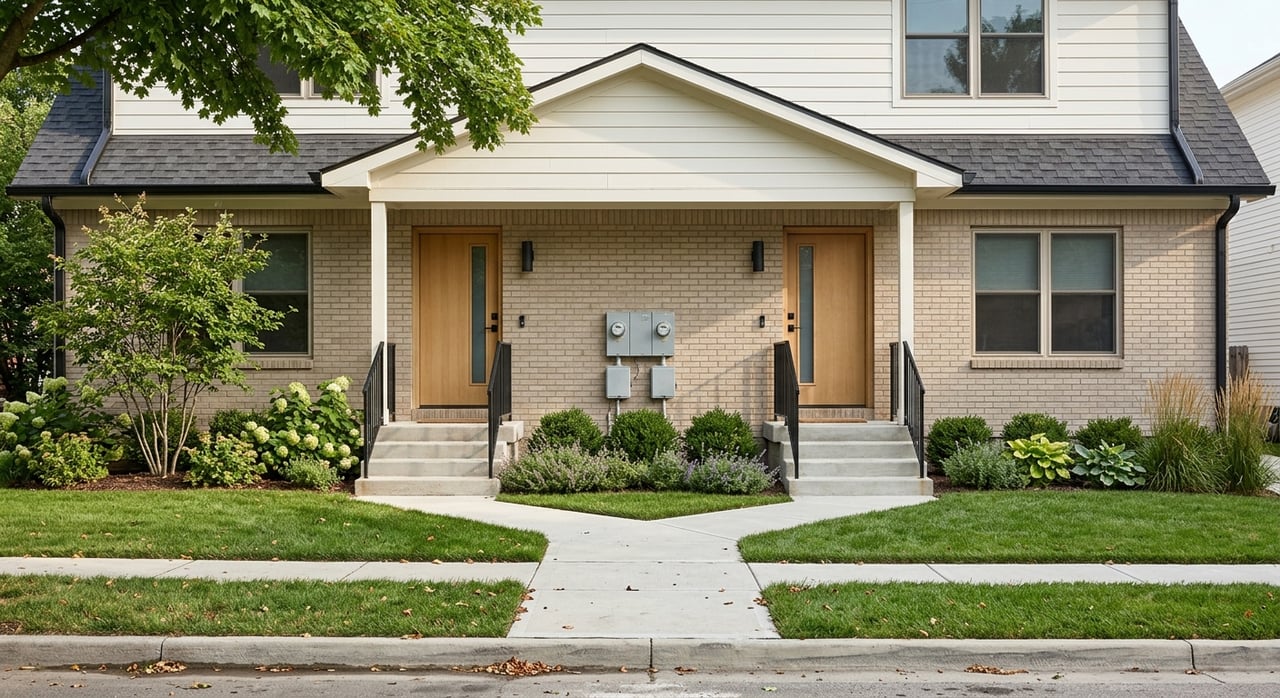
Thinking about using your first home to help pay for itself? In West Madison, that idea can be practical, but it usually looks different than it does in markets with a lot of turnkey duplexes and small multifamily buildings. In Westmorland, house hacking is often less about finding a ready-made investment property and more about spotting the right layout, zoning fit, and financing path for a home you plan to live in long term. Let’s dive in.
In simple terms, house hacking means you live in the property and use part of it to generate income. That might mean renting a bedroom, using a separate lower-level space if it meets local rules, buying a two- to four-unit property and living in one unit, or exploring whether an accessory dwelling unit, often called an ADU, is possible.
In Westmorland, that strategy needs to be grounded in the local housing stock. The Midvale Heights-Westmorland neighborhood plan describes the area as mostly single-family residential, and the City of Madison’s 2025 Housing Snapshot estimates that 92.22% of Westmorland’s one-unit structures are owner-occupied. That tells you a lot about the neighborhood’s character and why most opportunities here start with owner-occupied homes rather than pure investment inventory.
Westmorland can still appeal to buyers who want a smart, flexible purchase. Madison’s latest housing snapshot reports a stabilized rental vacancy rate of 4.8% citywide in late 2025 and an owner-occupied vacancy rate of 0.6%, while the city also notes roughly 20,000 additional residents since 2020 and projects nearly 100,000 more by 2050.
Those numbers suggest sustained demand for housing across the city. For you as a buyer, that makes a well-chosen owner-occupied property in West Madison worth a closer look, especially if you want a home that may support income now or create options later.
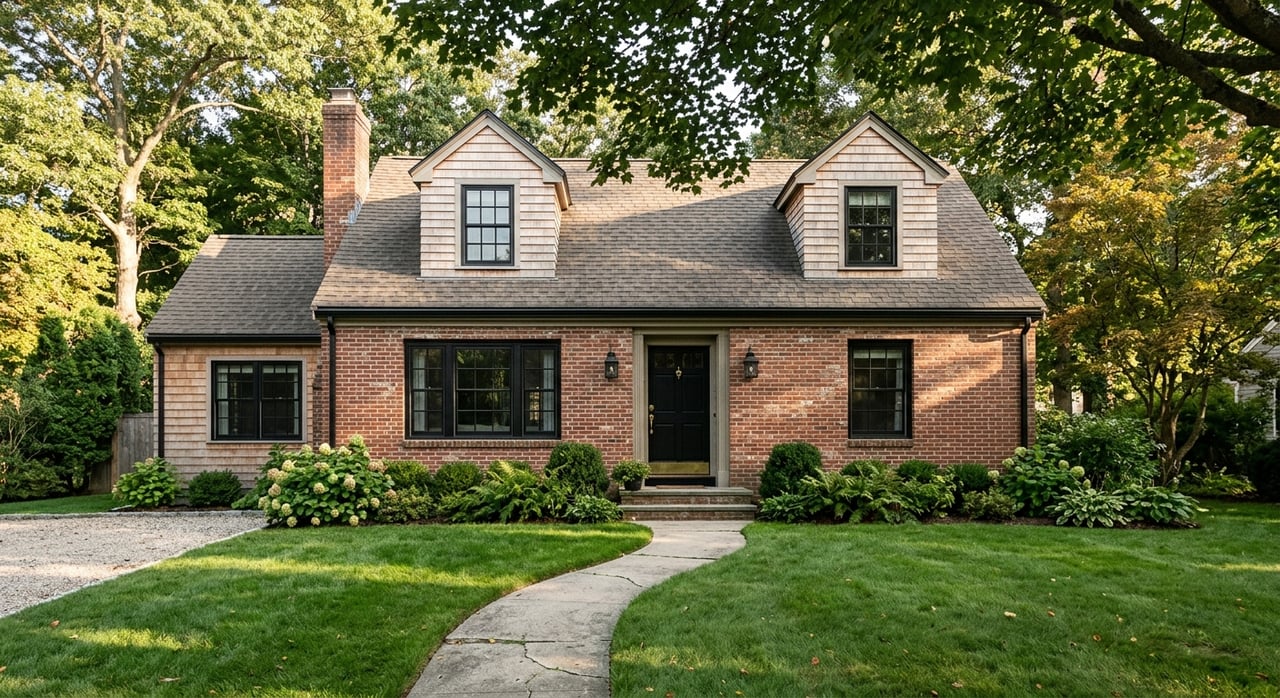
In Westmorland, the most realistic path is often an adaptable single-family home. Many homes in the area are older with smaller footprints, and the neighborhood plan supports renovations and additions that respect existing density, height, and setback patterns.
That matters because an older home may offer a basement layout, side entrance, extra bedroom, detached garage structure, or yard setup that gives you flexibility over time. The value is not just in what the property is today, but in what it can legally and practically become.
For some buyers, renting a room is the most accessible entry point. It may require less cash and less construction than adding a separate dwelling space, but it still needs careful review.
Madison’s occupancy standards limit how many people can live in a dwelling unit, and the building code treats roomers differently in some residence districts. Before you assume a room-rental plan will work, you need to confirm the exact rules for that property and setup.
A duplex or small owner-occupied multifamily can be the classic house-hack model, but in Westmorland you should not assume that option is widely available. Madison’s residential district tables allow two-family dwelling uses in some districts, which means duplex potential must be verified parcel by parcel.
If you do find a two- to four-unit property that fits your budget and goals, it may offer a more straightforward income structure than trying to retrofit a single-family home. Still, inventory can be limited, and the financing details become especially important.
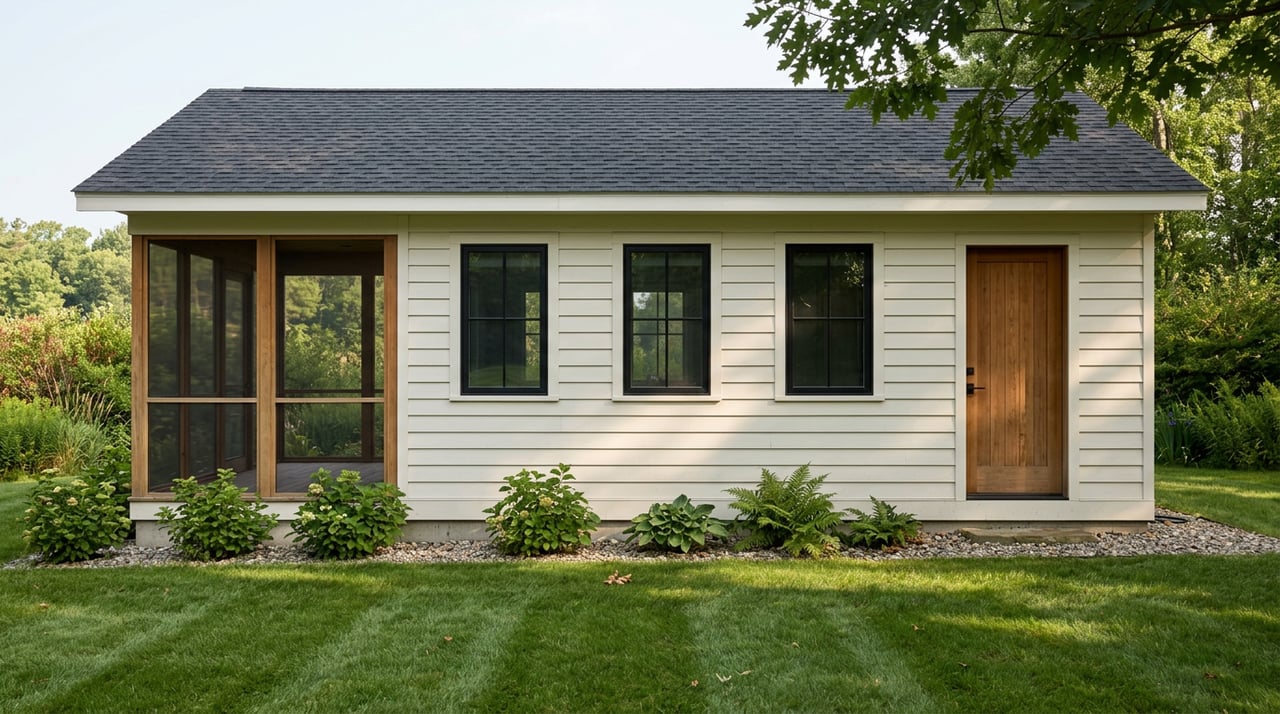
ADUs are part of the local conversation for smaller-scale housing options. Madison’s current guidance says detached ADUs are a permitted use on lots with a building containing up to eight dwelling units, and a detached ADU can use up to 1,000 square feet of accessory structure space and reach up to 25 feet in height.
That said, “permitted” does not mean automatic. A detached ADU requires permit review, site plan approval, and in some cases a park impact fee. If a parcel is zoned Planned Development, the city says additional restrictions may affect whether an ADU is allowed and where it can go.
Before you get attached to a house-hack idea, confirm the parcel-level zoning. A property may look perfect for a second unit, detached structure, or flexible rental use, but the local rules are what determine whether the plan is realistic.
This is especially important in Westmorland because the neighborhood is largely single-family in character. That does not mean small investments are off the table. It means assumptions can get expensive.
If your strategy involves roommates or room rentals, occupancy standards need to be part of your early review. A layout that works informally may not line up with the city’s rules once you look at the number of occupants, the room arrangement, and how the property is classified.
This is one reason the safest approach is to evaluate the property first and the investment idea second. The same house can look very different on paper once local occupancy rules are factored in.
Small investments often succeed or fail on practical details. Madison’s ADU guidance notes that water and sewer laterals may need upgrades or separate connections, and a detached ADU needs its own electric meter and service panel.
You also need to think about access, parking, setbacks, and whether the lot can absorb the changes you want to make. On paper, a backyard cottage or detached rental space may sound simple. In practice, utility and site work can significantly change the cost.
If any part of the property will be rented, condition matters beyond cosmetic appeal. Madison’s Building Inspection Division enforces housing and property-maintenance rules, so a rental-oriented property should be screened for code compliance as well as income potential.
If the property includes rental dwelling units, Madison also requires an emergency contact to be on file with Building Inspection. That is a small detail, but it reflects a bigger truth: even a modest house-hack is still a real housing operation, not just a side project.
For many first-time buyers, owner-occupant financing is what makes house hacking possible. HUD says FHA’s 203(b) program is designed for a principal residence, can apply to one- to four-unit properties, and may allow a down payment as low as 3.5%.
That can create a path into a property that supports rental income while still serving as your primary home. For buyers trying to balance budget and flexibility, that is often where the conversation starts.
HUD’s current handbook defines a one-unit property as a single dwelling unit or a single dwelling unit plus a single ADU. It also recognizes some three- to four-unit configurations that include an ADU.
Fannie Mae approaches this differently. It has a rental-income workflow for a principal residence that is a two- to four-unit property, and it says ADU rental income may count toward qualifying income when program requirements are met. At the same time, Fannie Mae says ADUs are not eligible with a two- to four-unit dwelling.
This is where many buyers benefit from slowing down. The same property might be workable under one loan program and not under another, even when the layout looks ideal.
HUD also applies a self-sufficiency rental-income test to three- to four-unit properties, so projected rent can play a meaningful role in qualifying. That means your financing strategy should be part of your property search from day one, not something you sort out after you find a home.
If you are serious about house hacking or making a small investment in West Madison, use a simple filter before you write an offer.
That checklist helps you focus on properties that are not just appealing, but workable. In a neighborhood like Westmorland, that discipline can save you time and money.
The strongest takeaway for Westmorland is that house hacking should be viewed as a long-term ownership decision first and an income strategy second. The neighborhood’s heavy owner-occupancy, older housing stock, and limited pool of obvious small investment properties all point in that direction.
That is not a drawback. In fact, it can be a strength if you want a home that fits your life now and gives you future flexibility through a room rental, renovation, or ADU path that aligns with city rules.
A thoughtful purchase in West Madison can do more than lower your monthly housing cost. It can give you options, build experience, and position you to make your next move with more confidence.
If you want help weighing a Westmorland property for owner-occupant income potential, zoning fit, or resale flexibility, Erika Haar offers practical, local guidance to help you make a clear and confident decision.
Stay up to date on the latest real estate trends.
Working with Erika means elevated marketing, thoughtful strategy, and a tailored client experience. From high-impact listing presentations to precision negotiations, every detail is handled with care and professionalism. Expect white-glove service and exceptional results in Madison’s competitive market.
ERIKA HAAR
26 Schroeder Crt Ste 230 Madison, WI 53711