Buying A Home With A Well And Septic In Verona: The Local Details That Shape The Deal
July 16, 2026
July 16, 2026
Two houses can list a mile apart on the same road outside Verona, at the same price, with the same square footage, and one of them costs the new owner several thousand dollars more in the first eighteen months than the other. The difference isn't in the listing photos. It's in a small stack of Dane County mechanics that never make the MLS: a maintenance fee on the tax bill, a three-year inspection clock, a state rule that quietly puts water quality on the buyer's shoulders, and a 2025 lab closure that rerouted where samples now go.
For buyers looking at property in the Town of Verona, or sellers preparing one, understanding that stack is the difference between a clean close and a surprise after the movers leave.
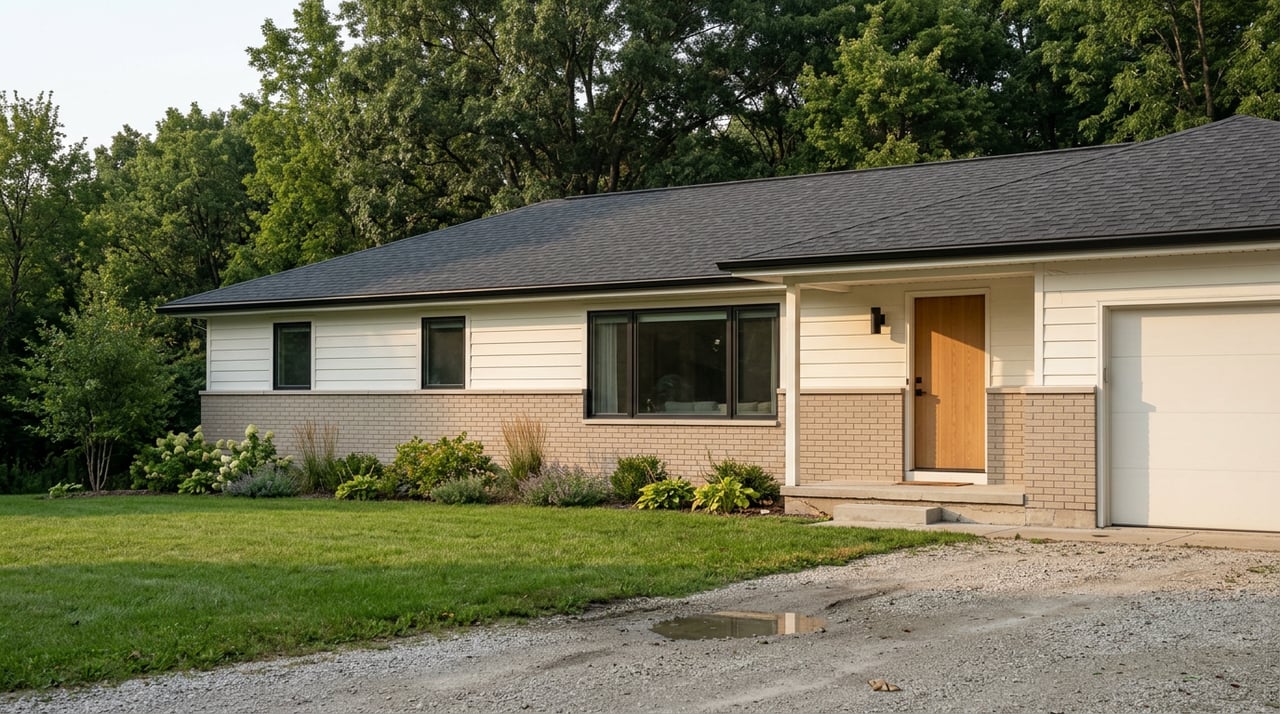
Inside the City of Verona, most homes tie into municipal utilities. Step across into the Town of Verona and the plumbing story changes completely. The remainder of Town residential properties are served with on-site sewer treatment systems (private septic) and are regulated by Dane County Environmental Health, and water service for all Town properties is furnished by privately owned wells.
Two parcels with adjacent addresses can sit on opposite sides of that line. The listing rarely spells it out. Before writing an offer on anything at the edge of the city, confirm which side of the utility boundary the parcel falls on, because everything below flows from that answer.
Here is the mechanic most buyers miss. State law does not require a well inspection or water testing for a property transfer, and if a well inspection is conducted, state law has provided since June 1, 2008, that it must be done by a licensed well driller or licensed pump installer. The septic side is similar. Wisconsin's seller disclosure form under Wis. Stat. 709 asks the owner to report what they know, but the statute is explicit that the report is not a warranty and is not a substitute for inspections a buyer may wish to obtain.
Translate that into offer language. The default in a Verona rural transaction is that no one is required to test the water or scope the drainfield unless the offer says so. If the buyer wants that information, it becomes a negotiated contingency, scheduled and paid on the buyer's timeline. If a well inspection contingency is part of your transaction, schedule the well inspection early to allow time for inspection and sample analysis in advance of closing.
That last point is not a throwaway. Bacteria and nitrate results typically take several business days. Arsenic and PFAS turnarounds are longer. A fourteen-day inspection window that also has to cover water sampling can end before the lab report arrives.
Once the property changes hands, a second mechanic activates. Every septic system in Dane County sits inside a maintenance program administered by Public Health Madison & Dane County. The septic maintenance fee is $12.00 per year per septic system, and it appears on the property tax bill; tax exempt properties get something that looks like a property tax bill but with only the private maintenance fee.
The fee is small. The obligation attached to it is not. All septic systems in Dane County must be inspected and serviced on a regular basis to make sure that they're working correctly, which prevents septic system failures or helps to identify them as quickly as possible; state and county law requires an inspection every three years for most systems. The clock does not reset at closing. If the prior owner is two years and eleven months into a cycle, the new owner inherits a due date that lands almost immediately.
Ask the seller for the most recent maintenance report during due diligence. If they can't produce one, treat that as its own signal: either the system is overdue, the paperwork was never filed, or the maintainer's report is sitting somewhere the county hasn't matched to the parcel. Any of those is easier to solve before the deed transfers than after.
The inspection is a real inspection. Maintenance of septic tank systems includes a visual inspection by a properly licensed POWTS professional at least once every three years and pumping of the tank when necessary, checks whether any sewage or wastewater is leaking onto the ground, verifies the condition of the tank, and if combined sludge and scum exceed 1/3 of the tank volume, the tank must be pumped. Systems built after 2000 typically carry an individual management plan, which can require additional maintenance such as filter cleaning on its own schedule.
If a buyer is going to invest in one water test beyond the basics, in this part of Dane County it should be nitrate. The 2023 Environmental Health Report from Public Health Madison & Dane County drew from more than three decades of sampling and reached a number that reframes the whole conversation: one in every five private wells tested in Dane County had unsafe levels of nitrate. In Wisconsin, nitrate is one of the most common groundwater contaminants, it's most often found in water wells in rural areas, and the chemical can enter groundwater through fertilizers and animal waste.
That doesn't make every rural Verona well unsafe. It does mean the odds of a clean result are not the ninety-plus percent buyers instinctively assume. If the lab reports elevated levels of nitrates (greater than 10 parts per million), avoid drinking the water if you're pregnant and stop giving the water to infants younger than six months or using the water to prepare infant formula.
Two other contaminants deserve a mention in the same conversation. Arsenic occurs naturally in some Wisconsin bedrock and has been found beyond its historic hotspots. And PFAS have been found at high levels in some Dane County wells, and you may want to test for these chemicals if other wells in your area have tested high, or there is a known source of PFAS contamination in the area. On a per-parcel basis, the questions to ask the listing agent are simple. When was the well last tested, what was tested for, and can we see the results.
There's a piece of very local news that changes the logistics side of all of this. While Public Health Madison & Dane County's drinking water lab services permanently ended on October 1, 2025, the agency will still help identify well water testing needs and understand test results, continue beach water quality testing in the summer, monitor chloride levels in lakes and waterways, and remain active in supporting environmental public health investigations.
For a Verona buyer running a well contingency in 2026, that means samples now route to a state-certified private lab or, for certain analytes, to the Wisconsin State Lab of Hygiene. The transaction still works. The scheduling window shifted. If the sampler you're used to is booked, budget an extra week.
Before writing:
Inside the inspection contingency:
Before closing:
Does the Wisconsin condition report cover well and septic issues? The form asks the owner to disclose known defects, and the statute makes clear the report is not a warranty and does not replace independent inspections. Treat seller disclosures as a starting point for questions, not as evidence of system condition.
Is a well inspection ever required at sale? Not by state law. A lender or a specific loan program may require one, and a buyer can make it a contingency. If any of those apply, the inspection has to be performed by a licensed well driller or licensed pump installer.
We're buying a seasonal or lightly used property. Does the three-year inspection still apply? Yes. Inspection is required every three years for most systems. Pumping is only required when sludge and scum exceed one-third of tank volume, which lower-use systems may not reach, but the inspection itself is not waived by light occupancy.
Who do we call with a specific parcel question? Public Health Madison & Dane County handles well permits, septic permits, and the maintenance program for the county.
The Town of Verona real estate story rewards buyers who read the utility map before they read the listing description. If you're weighing an offer on a well-and-septic property, or preparing one to sell, Erika Haar can walk the contingencies, timelines, and county filings with you before the clock starts. Let's Connect.
Stay up to date on the latest real estate trends.






Working with Erika means elevated marketing, thoughtful strategy, and a tailored client experience. From high-impact listing presentations to precision negotiations, every detail is handled with care and professionalism. Expect white-glove service and exceptional results in Madison’s competitive market.

ERIKA HAAR
26 Schroeder Crt Ste 230 Madison, WI 53711