Buying A Home Around Lake Ripley: Key Considerations
April 16, 2026
April 16, 2026
Thinking about buying near Lake Ripley? It can be a great fit if you want lake access, natural surroundings, and a smaller community feel, but it also comes with details that matter more than they would in a typical neighborhood purchase. From shoreline rules to financing differences for second homes, the smartest buyers look beyond the view. This guide will walk you through the key considerations so you can move forward with more clarity and confidence. Let’s dive in.
Lake Ripley is located in the Town of Oakland in western Jefferson County, with Cambridge just west of the lake. According to the Lake Ripley Management District, the lake’s main body spans 423.3 acres with 4.1 miles of shoreline, a maximum depth of 44 feet, and generally good water quality.
That setting gives you a very different buying experience than you would find in a larger subdivision market. ACS 2024 data via Census Reporter shows the Lake Ripley CDP has 1,932 residents and 973 housing units, which points to a small housing stock and a more limited pool of available homes.
One of the first things to know is that Lake Ripley is not a one-style market. Current DNR materials note that the shoreline is primarily residential, while older district planning documents describe a long pattern of summer cottages being converted into year-round homes.
For you as a buyer, that often means inventory may include older cottages, updated lake homes, and year-round residences with varying layouts, systems, and lot conditions. Instead of comparing nearly identical homes, you may be weighing charm, renovation quality, shoreline setup, and year-round usability.
If you are considering an older property, pay close attention to updates that affect everyday function. Heating systems, insulation, windows, roofing, and access in winter can all shape how practical the home feels beyond peak summer months.
A home that looks ideal in July may function very differently in January. Since the lake’s average ice-cover period is 102 days, according to the Lake Ripley district overview, seasonal conditions should be part of your evaluation.
Lake living changes with the calendar, and that should shape both your budget and your expectations. The district notes that summer weekend recreational use is moderately high, there is one public boat launch on the south shore, and a public swimming beach on the west shore.
At the same time, some amenities and activities are seasonal. Ripley Park beach information says the public beach is open from Memorial Day weekend to Labor Day, and the district also reminds lake users that no ice is 100% safe in winter.
If you plan to use the property as a full-time residence, think through how the home works year-round. Commute patterns, snow removal, heating efficiency, and off-season lake access can matter just as much as summer recreation.
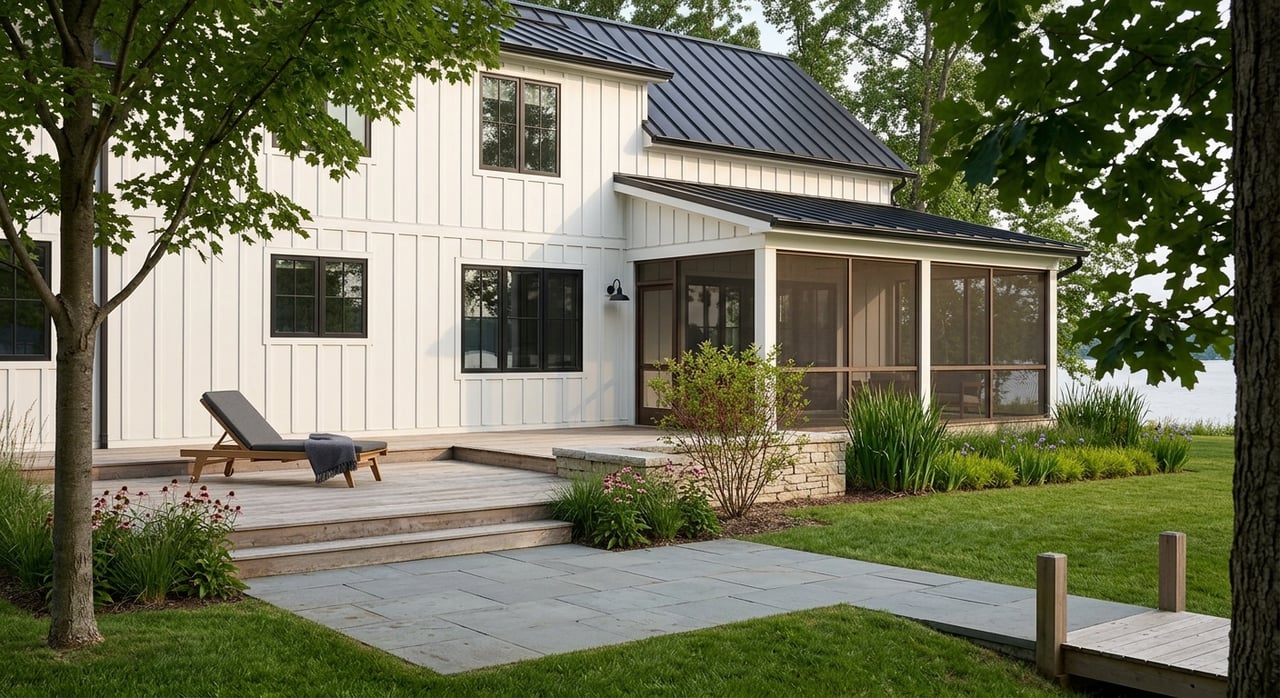
If you are buying as a getaway, seasonality may influence how often you use the property and what features matter most. A screened porch, storage for gear, or easier dock access may carry more value for your lifestyle than extra interior square footage.
A waterfront purchase here is not just about the home itself. The Lake Ripley Management District was formed in 1990 under Chapter 33 of the Wisconsin Statutes and serves close to 2,000 property owners, with authority to fund work through taxes, grants, donations, and charges.
That matters because Lake Ripley has an active management structure. The district says it is authorized to levy up to 2.5 mills and that the actual mill rate has remained at or below 0.5 mill to date, so buyers should understand there is an ongoing governance and stewardship component tied to the lake environment.
In a typical home purchase, you may focus mostly on the house, lot, and financing. Around Lake Ripley, you also want to understand district oversight, environmental protections, and any property-specific compliance questions before you commit.
This is especially important if you are buying frontage and expect to make changes after closing. Plans that seem simple at first can involve permits, restrictions, or added costs.
Shoreline due diligence is one of the biggest factors in a Lake Ripley purchase. The district’s rules and permitting guidance state that many activities within 1,000 feet of the water’s edge require a permit.
The same rules note that new piers or other structures are restricted in designated sensitive areas, including significant portions of both bays. That means you should verify current pier rights, prior permit history, and whether any future shoreline improvements you want are likely to be allowed.
Before you close, it helps to dig into practical details like:
The district also strongly encourages native shoreline buffers and warns that clearing vegetation to the water’s edge can harm water quality. In some cases, certain projects may qualify for up to 50% cost sharing, including erosion control, native plantings, rain gardens, and wetland restorations, according to the district’s rules page.
Not every lakefront lot offers the same experience on the water. The district’s weed harvester program overview explains that mechanical harvesting is used to create navigational lanes because invasive plant growth had previously caused serious nuisance conditions.
In 2024, the district also reported eight designated critical habitat areas. For you, that reinforces an important point: frontage ownership may come with rules or conditions that affect navigation, dock placement, shoreline projects, or how open the water feels in certain spots.
One of the most important early decisions is how the home will be classified by your lender. For Lake Ripley buyers, that usually means identifying whether the property will be your primary residence or a second home.
According to the CFPB homebuying guidance, your down payment, loan type, lender costs, and property type all affect total costs. The intended occupancy can be especially important here because it often changes your financing options.
Fannie Mae’s current guide says a second home must be a one-unit dwelling, suitable for year-round occupancy, occupied by the borrower for part of the year, under the borrower’s exclusive control, and not a rental property or timeshare. Fannie Mae also notes that some second-home loans carry loan-level price adjustments.
Freddie Mac’s maximum LTV table allows up to 95% LTV for a 1-unit primary residence purchase, but only 90% for a second home. Fannie Mae’s 97% LTV option is limited to 1-unit principal residences, which is one reason primary-home buyers often have more low-down-payment paths.
If you are buying Lake Ripley as your main home, you may have access to more flexible low-down-payment options. If you are buying a weekend or seasonal-use property, you may need a larger down payment and should be prepared for different pricing or reserve expectations from your lender.
The CFPB also notes that borrowers who put 20% down typically do not pay mortgage insurance. That does not mean 20% is always required, but it is a useful benchmark when you are comparing monthly payment scenarios.
A beautiful lake setting can make it easy to focus on views first and details second. In this market, it helps to slow down and evaluate the home as both a property and a long-term ownership experience.
That includes the condition of the house, access to the water, shoreline maintenance needs, permit history, and how the property fits your actual use. The right purchase is not always the one with the most dramatic photos. It is the one that works for your goals, budget, and comfort with lake-specific responsibilities.
If you are planning a Lake Ripley purchase, keep this short list in mind:
Buying a home around Lake Ripley can offer a unique mix of natural beauty, recreation, and everyday living near Cambridge and Jefferson County. It can also require more careful due diligence than a standard residential purchase, especially if the property includes shoreline frontage or will be used as a second home.
When you go in with clear expectations, the process gets much easier. If you want practical guidance on evaluating lake-area homes, financing strategy, and what to verify before you buy, connect with Erika Haar for thoughtful, local support.
Stay up to date on the latest real estate trends.


Working with Erika means elevated marketing, thoughtful strategy, and a tailored client experience. From high-impact listing presentations to precision negotiations, every detail is handled with care and professionalism. Expect white-glove service and exceptional results in Madison’s competitive market.

ERIKA HAAR
26 Schroeder Crt Ste 230 Madison, WI 53711